Grease laden vapors - Grease-Laden Vapors and Commercial Kitchen Planning
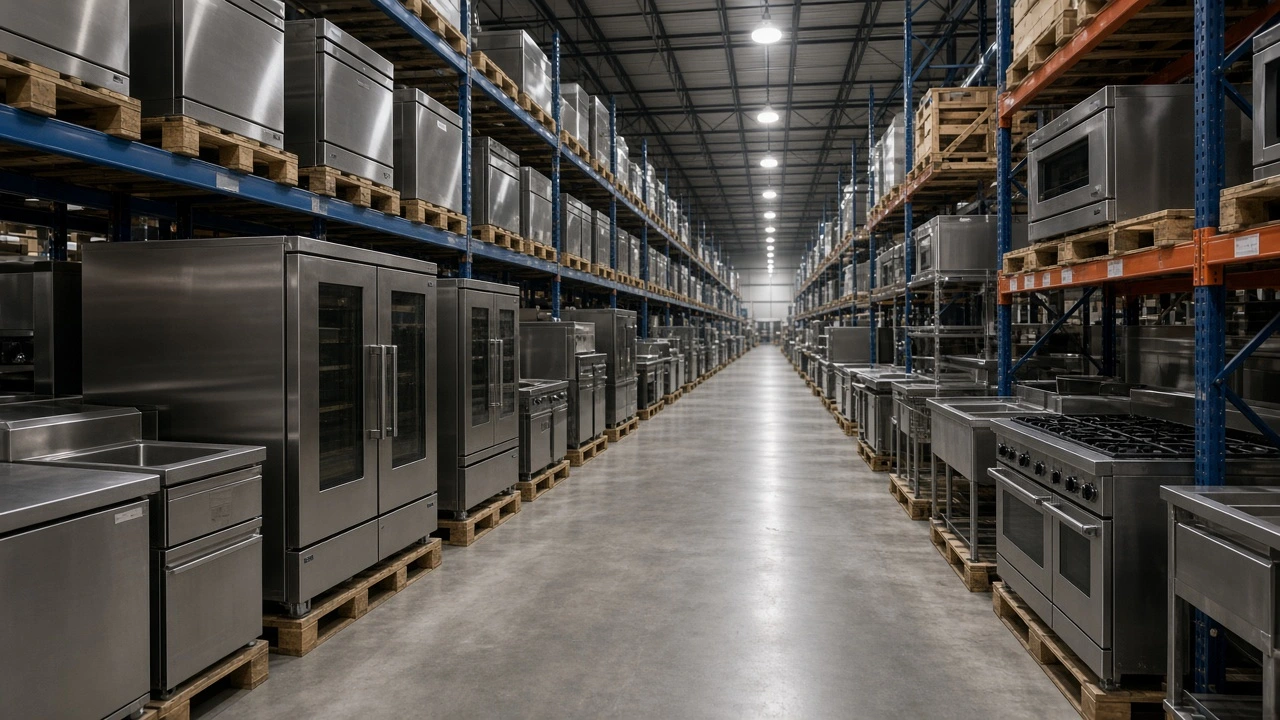
If you searched grease laden vapors, you need a working definition you can take into a lease, a schedule, or a menu meeting. This guide walks through how a sports-bar kitchen in Nashville should use grease laden vapors before money goes out the door.
Restaurant partners often use the same words and different math. Prime cost, yield, trade area, and a "good location" only help when everyone can recompute the number from invoices, tickets, and a site walk.
What grease laden vapors means for design and code
Grease-laden vapors are the airborne grease produced by cooking that hoods, ducts, and pollution-control equipment must capture. They drive hood type, makeup air, fire suppression, and often interceptor requirements. Ignoring them in a site search creates expensive change orders.
When a sports-bar kitchen looks at a second-generation space in Nashville, have a kitchen consultant or mechanical contractor confirm the existing hood can handle the actual menu-not the previous tenant's sandwich press.
Grease, interceptors, and wastewater that affect grease laden vapors sit under EPA wastewater rules. A Nashville second-generation space can fail here even if the dining room photographs well.
A working method you can finish this week
Write the decision in one sentence. List the five inputs that would change your mind. Pull those inputs from POS, invoices, a site walk, and public data. Then choose: proceed, renegotiate, or stop. Grease laden vapors is done when a calendar date has an answer, not when the folder is full of PDFs.
Most teams researching grease laden vapors also have to settle how to increase foot traffic in restaurant in the same week, because rent, recipes, and labor only work as one P&L.
Line layout and hood work connected to grease laden vapors still has to be safe to staff. OSHA restaurant resources are the floor, not an optional poster in the office.
Mistakes that quietly sink the plan
• Using a national average for grease laden vapors as if it were a Nashville forecast.
• Signing occupancy before the kitchen, hood, and grease path are feasible.
• Forecasting sales from peak-hour site visits only.
• Hiding labor or food cost in the wrong P&L bucket so the model looks healthy.
• Treating a heat map or a name generator as a substitute for a walk at opening and closing hours.
If the next blocker is hospitality analytics platform, solve it on the same scorecard as grease laden vapors instead of opening a second, conflicting plan.
A 30-day implementation checklist
Days 1-7: write the definition your team will use for grease laden vapors and collect last month's actuals. Days 8-14: walk the Nashville site or kitchen at two dayparts and photograph constraints. Days 15-21: build the one-page model and stress-test a slow week. Days 22-30: decide, assign an owner, and schedule the first review after opening or after the next delivery cycle.
Holding, cooling, and prep rules that sit under grease laden vapors still come from the FDA Food Code. A sports-bar kitchen that ignores that layer will lose the health inspection even if the P&L looks pretty.
Print the checklist next to the office desk, not only in a shared drive. A sports-bar kitchen improves grease laden vapors only when the closer, the chef, and the person who signs checks are looking at the same definition.
Final takeaway
Grease laden vapors only pays off when it changes a lease, a schedule, or a recipe. Define it, run the math on a real sports-bar kitchen, walk the Nashville reality, and keep the working notes next to grease laden vapors so the team is not arguing from three different versions.
Frequently asked questions
Q: When do I need a consultant versus a software tool?
A: Use software to assemble evidence faster. Use a consultant when code, kitchen engineering, or a high-stakes lease needs a licensed or experienced second set of eyes.
Q: Can I copy another brand's approach to grease laden vapors?
A: You can copy the process, not the numbers. Their Nashville rent, wages, and brand awareness are not yours.
Q: Is grease laden vapors the same in every restaurant?
A: No. A sports-bar kitchen will not use the same targets, trade area, or equipment list as a hotel restaurant. Always localize to sales mix and the Nashville labor and occupancy market.
Q: What should I do first after reading about grease laden vapors?
A: Write a one-page brief: the decision, the inputs you have, the inputs you still need, and the date you will decide. Then collect only those inputs.
Document assumptions for grease laden vapors in a shared folder: sources, dates, and the person who owns the next update. Institutional memory is part of restaurant ROI.
Seasonality in Nashville will stress any plan built only on a site-tour Saturday. Re-run grease laden vapors against a slow month before you treat the plan as final.
If grease laden vapors affects a lease or a loan, keep a conservative case and a target case. Partners should see both, not only the pitch deck.
Train at least two people on the operating habit behind grease laden vapors. Owner-only knowledge disappears on the first vacation.
Revisit grease laden vapors 30 days after opening with real tickets, real labor, and real invoices. Planning numbers that never meet actuals become folklore.
A sports-bar kitchen should connect grease laden vapors to one weekly meeting: what changed, what we will try, and what we will stop doing.
Vendors related to grease laden vapors should be scored on whether they change a decision this month. Demos that only produce prettier charts can wait.
Build a short glossary for your team so grease laden vapors is not redefined in every shift meeting. Shared language speeds hiring and vendor calls.
If two candidate approaches to grease laden vapors produce the same guest outcome at lower risk, choose the simpler one. Complexity is a hidden labor cost.
Keep a physical or photo log of the Nashville site, kitchen, or competitor set you used while researching grease laden vapors. Future you will not remember which corner you actually walked.
Translate grease laden vapors into one owner metric and one manager metric. Owners watch cash and occupancy; managers watch ticket time, waste, and staffing against the same sports-bar kitchen plan.
If a landlord, lender, or partner asks for grease laden vapors in 24 hours, send the one-page version: definition, three numbers, and the open risk. Long decks delay decisions.
After you publish internal notes on grease laden vapors, schedule a 20-minute review with whoever writes the checks. Agreement in the Google Doc is not the same as agreement on the lease.
Operators researching grease laden vapors should keep a simple evidence file: one PDF of public data, one sheet of internal actuals, and dated photos from the Nashville walk. That file beats a long slide deck when a landlord or partner asks "why this number?"
If grease laden vapors is used in hiring, write it into the manager scorecard. New leaders should inherit the same targets a sports-bar kitchen already agreed, not invent a friendlier version during the first busy Friday.
When two vendors disagree about grease laden vapors, ask each to show the raw input, the time window, and the geography. The honest answer is usually a range. Fake precision is a common reason restaurant plans fail after the ribbon cutting.


Comments
Post a Comment