Yield of Food: Cut Waste, Protect Restaurant Margins
Yield of Food: A Practical Guide for Restaurant Operators
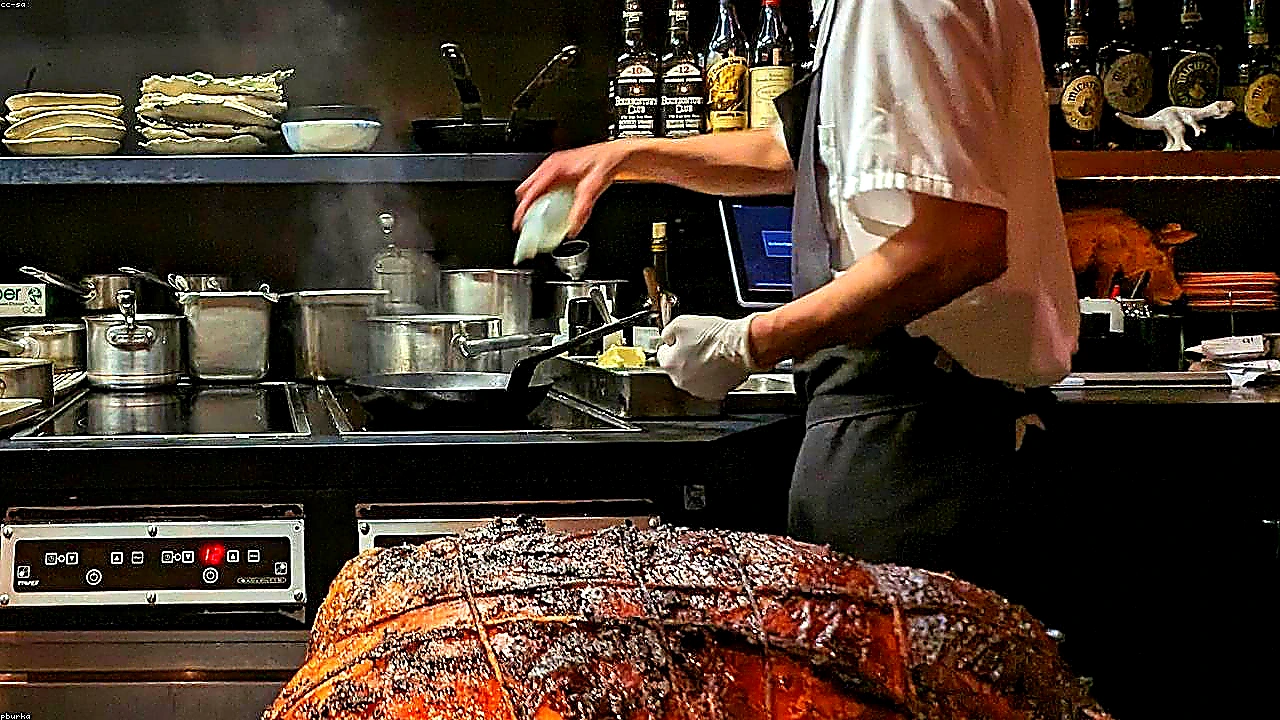
Yield of food is one of the quiet levers behind every profitable kitchen. It measures how much usable product you get from what you purchase after trimming, cooking loss, spoilage, and portioning. For restaurant owners, founders, operators, and site-selection analysts, that number connects culinary execution to trade-area strategy and long-term unit economics. For more background, see Learn more about yield of food.
When yield is weak, prime cost rises even if your rent looks reasonable and your concept tests well. When yield is strong and consistent, you can price with confidence, forecast contribution more accurately, and compare locations without guessing why one store underperforms another.
This guide explains what yield of food means in daily operations, how to measure it, where operators typically lose money, and how to use yield insights when evaluating markets, labor models, and new site decisions.
What Yield of Food Really Means in a Restaurant
In restaurant terms, yield of food is the usable output you obtain from raw ingredients after unavoidable and controllable losses. A whole chicken, case of produce, or side of beef rarely converts one-to-one into plated portions. Trimming fat, removing bones, dehydration during cooking, and over-portioning all reduce what guests actually receive relative to what the invoice shows.
Operators often track yield as a percentage: usable weight or volume divided by purchased weight or volume, then multiplied by 100. That percentage becomes the bridge between invoice cost and true plate cost. Without it, menu engineering and weekly P&L reviews can look healthy on paper while the kitchen quietly leaks margin.
Yield also differs by category. Proteins usually show the largest swings because of trim and cook loss. Produce can lose volume through wilting, peeling, and prep inconsistency. Bakery and dry goods may look stable until humidity, storage practices, or portion tools drift. Treat yield of food as a living operational metric, not a one-time recipe footnote.
Culinary yield versus theoretical recipe yield
Theoretical yield assumes perfect execution from a standardized recipe. Culinary yield reflects what your team produces under real ticket pressure, equipment variance, and training gaps. The gap between those two numbers is often where multi-unit brands discover unit-level inconsistency.
Ask each kitchen to run periodic yield tests on high-cost items and compare results to the recipe card. If one store consistently lands five to ten percentage points below the standard, investigate prep methods, knife skills, holding practices, and portion control before blaming the supplier or the market.
Why site-selection teams should care
Site-selection analysts usually focus on traffic, demographics, competition, and rent. Yield of food still belongs in that conversation because concept fit and labor availability shape how well a kitchen can protect yield after opening. A complex butcher-heavy menu in a market with thin culinary talent can push true food cost above the model used in the pro forma.
How Yield of Food Drives Prime Cost and Pricing
Prime cost combines food and beverage cost with labor. Yield sits at the intersection. Poor yield raises food cost; chaotic prep raises labor hours. Together they can erase the benefit of a strong trade area or a favorable lease. That is why operators who only watch invoice prices miss the real story.
Start with true plate cost. Take the purchased cost of an item, adjust for yield, then divide by portions produced. If a protein costs $6.00 per usable pound after yield and each entrée uses six ounces, the protein component alone is $2.25 before sauces, sides, and garnish. Multiply that discipline across the top twenty sellers and you will see which dishes are carrying the menu and which are quietly underwater.
Pricing should follow yield reality, not hope. If cook loss on a signature steak routinely lands near commonly cited industry ranges for roasted or grilled proteins, build that into the menu price and contribution target. Encourage your team to verify current supplier specs and run live tests rather than relying on outdated textbook percentages. Markets, pack sizes, and product quality change.
Link yield to weekly flash reports
Add a simple yield variance note to weekly flash reporting for the highest-cost SKUs. When food cost spikes, ask whether the driver was invoice inflation, theft or waste, portion creep, or a yield miss on prep. Separating those causes prevents blunt across-the-board cuts that damage guest experience.
Use yield when modeling new units
In development models, assume conservative culinary yield until a market proves otherwise, especially for concepts with heavy in-house fabrication. A site that looks strong on sales potential can still fail if the opening team cannot sustain the yield assumptions baked into the investment memo.
Practical Ways to Measure and Improve Yield of Food
Measurement starts with a scale, a log, and discipline. Weigh product before and after prep for key items. Record cook-loss tests by method and equipment. Track waste by station at close. None of this requires exotic software on day one, though multi-unit brands eventually benefit from recipe management tools that push standards and capture variance across stores.
Improve yield by tightening purchasing specs, standardizing trim guides with photos, calibrating ovens and holding cabinets, and matching portion tools to the recipe. Train prep cooks on what "usable" means for each item so one team is not over-trimming while another leaves product that hurts quality. Review supplier yields when switching vendors; a cheaper case price can become more expensive after trim.
Cross-utilize trim where food safety and brand standards allow. Stock bases, sauces, specials, and staff meals can convert otherwise lost product into value. Just avoid forcing low-quality byproduct onto the guest menu. Yield improvement that damages reputation is not improvement.
A simple yield-test cadence
Run formal yield tests on top proteins monthly and after any supplier or cut change. Spot-check produce weekly during seasonal shifts. Audit portion scoops and ladles during line checks. Document results in a shared workbook so culinary, finance, and operations review the same numbers.
People, process, and equipment
Yield problems are rarely only culinary. Dull knives, overcrowded walk-ins, poor FIFO, and undertrained closers create spoilage that no recipe card can fix. When evaluating a location, consider storage capacity and kitchen flow as yield infrastructure, not just square footage.
Using Yield Insights in Location Strategy and Concept Development
Restaurant failure is often blamed on "location," but many underperforming units suffer from a mismatch between concept complexity and local operating reality. Yield of food helps reveal that mismatch early. If your concept depends on high in-house butchery, fresh pastry, or elaborate vegetable prep, you need labor markets, training pipelines, and facility design that can support those standards.
During market research, pair trade-area analytics with a kitchen capability check. Can the proposed site hold cold storage for bulk protein programs? Will the hood and equipment package support the cook methods assumed in your yield model? Are comparable operators in the trade area running simpler prep models for a reason? These questions keep site selection grounded in execution, not just demand maps.
Concept development should also pressure-test menu architecture through a yield lens. Limited-SKU menus with stable specs usually protect yield better across multi-unit rollouts. That does not mean every brand must simplify, but founders should know the operating tax of culinary ambition before signing leases in unfamiliar markets.
Trade areas, demand, and cost discipline
A dense trade area can support higher check averages, which may offset moderate yield pressure. A thinner trade area often cannot. When sales forecasts are uncertain, strengthen yield and portion control first so the unit can survive slower ramps without emergency menu cuts.
Benchmarks without false precision
Industry conversations often cite wide ranges for trim loss, cook shrinkage, and overall food-cost targets by segment. Treat those as directional ranges only. Verify with your own product, equipment, and current supplier data before locking development assumptions or accusing a store of underperformance.
Building an Operator Playbook Around Yield of Food
Turn yield into a shared language across culinary, operations, finance, and real estate. Culinary owns standards and testing. Operations owns training and daily waste habits. Finance translates yield into plate cost and contribution. Site-selection analysts use those assumptions when comparing pro formas. When those teams work from different numbers, brands scale confusion.
Create a short playbook: priority SKUs, target yield ranges based on your own tests, photo-based trim standards, waste-log expectations, and escalation steps when a store misses for two consecutive weeks. Keep it practical enough for a general manager to coach on the line. Long policy documents rarely change behavior at 5 p.m. on a Friday.
Finally, revisit yield whenever you change menu, supplier, packaging, or kitchen design. A remodel that shrinks prep space, a value menu that increases throughput, or a new protein cut can move yield overnight. Build the review into your change-management checklist so margin protection keeps pace with growth.
What "good" looks like over time
Good yield management shows up as tighter food-cost variance between shifts and stores, fewer emergency 86s on prepped items, cleaner waste logs, and more trustworthy contribution forecasts. Guests may never hear the phrase yield of food, but they feel the result as consistent portions, stable quality, and a restaurant that can invest in service instead of constantly fighting the P&L.
Frequently Asked Questions
What is yield of food in a restaurant?
Yield of food is the amount of usable product you obtain from purchased ingredients after trim, thaw loss, cook shrinkage, spoilage, and portioning. Operators use it to convert invoice cost into true plate cost. Tracking it regularly helps protect prime cost and keep menu pricing grounded in real kitchen performance.
How do you calculate yield of food?
Weigh or measure the ingredient as purchased, then weigh the usable amount after prep or cooking. Divide usable amount by as-purchased amount and multiply by 100 for a yield percentage. Apply that percentage when calculating recipe cost so your menu math reflects what guests actually receive.
Why does yield of food matter for multi-unit brands?
Small yield gaps multiply across stores, shifts, and high-volume SKUs. Inconsistent culinary yield also makes company food-cost targets unfair and clouds whether a weak unit has a location problem or an execution problem. Standardized tests and shared specs help brands compare sites accurately.
Can better yield improve a borderline restaurant location?
Stronger yield and portion control can improve contribution and help a unit withstand slower sales ramps, but they cannot fix a fundamentally weak trade area or poor concept fit. Use yield improvements alongside honest market research, labor planning, and realistic sales forecasts rather than as a substitute for site quality.
How often should operators test culinary yield?
Test top-cost proteins on a monthly cadence and whenever suppliers, cuts, equipment, or recipes change. Spot-check produce during seasonal transitions and audit portion tools during routine line checks. The goal is timely correction, not paperwork for its own sake.

Conclusion
Yield of food is not a back-of-house technicality. It is a core performance metric that links purchasing, prep, pricing, prime cost, and even site selection. Operators who measure it, coach to it, and build it into development models make clearer decisions and protect margins without relying on guesswork.
If you lead a single unit or a growing brand, start this week with your top five cost drivers: run a yield test, update plate costs, and compare results across shifts or stores. Then carry those realities into menu planning and location analysis so every new site is built on numbers your kitchen can actually deliver.
Want a deeper dive on this topic? Read more about yield of food.
For location intelligence and site selection support, explore Restaurant Site Finder.


Comments
Post a Comment