What Is Restaurant Concept? A Clear Operator Guide
What Is Restaurant Concept? A Practical Guide for Operators
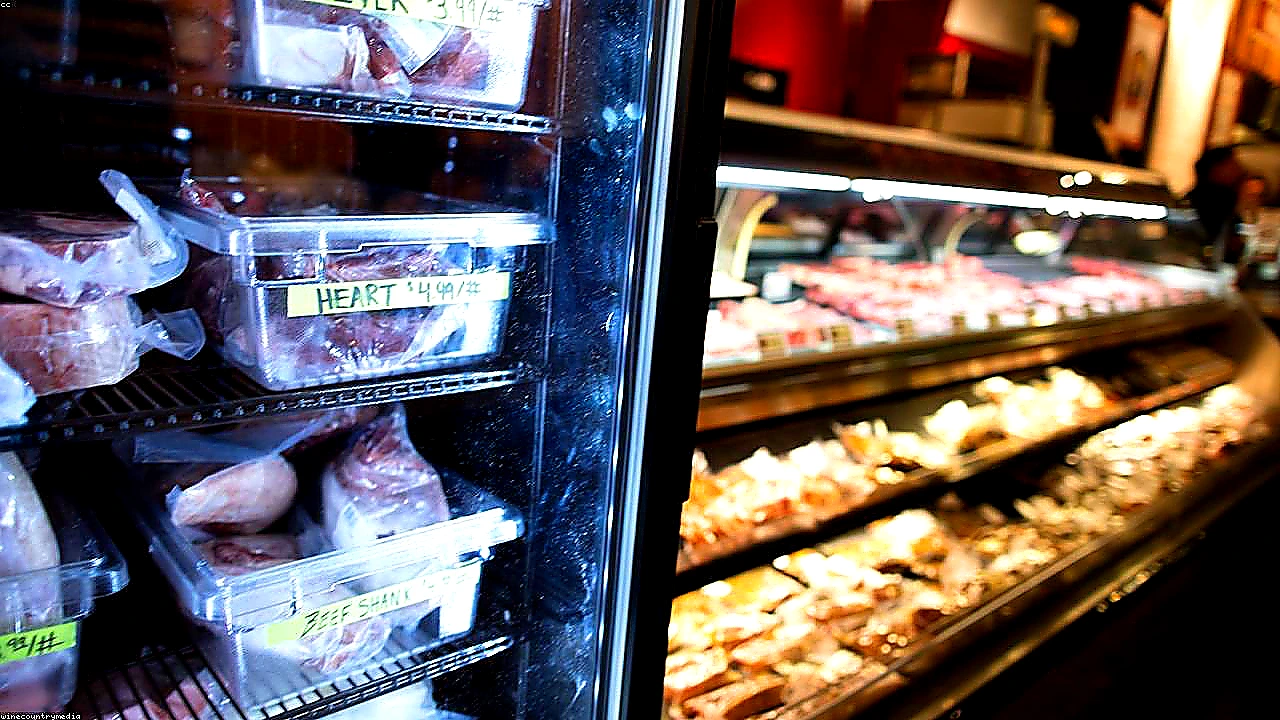
If you are planning a new opening or expanding a brand, one question sits under every menu, lease, and labor schedule: what is restaurant concept? In restaurant operations, a concept is not a slogan or a logo. It is the full operating idea that tells guests what to expect and tells your team how to deliver it profitably. For more background, see Learn more about what is restaurant concept.
For restaurant owners, founders, operators, and site-selection analysts, concept clarity drives more than branding. It shapes trade-area fit, kitchen design, staffing models, prime cost targets, and the kind of real estate that can actually support the business. A vague concept often looks creative on paper and expensive on a P&L.
This Restaurant Site Finder Guides article breaks down what a restaurant concept includes, how it connects to location strategy and market research, and how to pressure-test an idea before you sign a lease or build a second unit.
What a Restaurant Concept Really Includes
A restaurant concept is the integrated promise you make to guests and the operating system you build to keep that promise. It typically covers cuisine style, price positioning, service model, atmosphere, dayparts, guest occasion, and the brand story that ties those pieces together. When those elements conflict, teams struggle, guests feel confused, and site analysts struggle to forecast demand.
Think of concept as a decision filter. It answers practical questions: Who is this for? What will they order, how often, and at what check average? How fast must service move? How much kitchen complexity can the model support? What real estate format fits the flow of guests? Operators who define these answers early waste less money on redesigns, menu rewrites, and underperforming locations.
A strong concept also sets boundaries. It tells you what not to add. That discipline matters because restaurants often fail when they chase every trend instead of owning one clear guest need. Industry commentary frequently points to high failure rates in the first few years, but those figures vary widely by market, capital structure, and operator experience. Treat commonly cited ranges as directional only, and verify current data for your segment before making planning assumptions.
Concept versus brand versus menu
Brand is how the concept is expressed visually and verbally. The menu is one expression of the concept in food and beverage form. The concept itself is broader: it is the operating thesis. You can refresh a menu without changing the concept, and you can rebrand without changing the cuisine. Problems start when teams treat a menu rewrite as a full concept fix when the real issue is location mismatch, service model friction, or cost structure.
The guest occasion at the center
Every durable concept serves a clear occasion: weekday lunch for office workers, family dinner, late-night social dining, premium celebration, or convenient takeout. Occasion drives seating needs, parking patterns, delivery mix, and trade-area demographics. If your occasion is unclear, your site criteria will be unclear too, and market research will produce pretty maps that do not predict sales.

How Concept Development Shapes Location Strategy
Location strategy and concept development should move together, not in sequence after the lease is signed. A fast-casual bowl concept with high lunch throughput needs different visibility, parking, and daytime population than a destination dinner brand with a longer dwell time. Site-selection analysts should translate concept into measurable site filters: daytime versus residential demand, traffic patterns, co-tenancy, access, and competitive overlap.
Trade-area analysis becomes more useful when the concept is specific. Instead of asking whether a corridor is busy, ask whether the corridor contains enough of your target guest, at the right dayparts, with the right willingness to spend. A premium steak concept in a high-traffic student pocket may look busy and still miss check average. A value-driven quick-service concept in a high-income evening-only zone may look affluent and still miss volume.
Prime cost planning also depends on concept. Labor intensity, culinary yield, prep complexity, and packaging for off-premise sales all change the cost envelope a location must support. A concept with heavy scratch cooking may require higher sales density to protect margins. A simpler assembly model may tolerate thinner traffic if rent and labor stay controlled. Concept clarity helps you set rent-to-sales expectations before emotional site tours take over.
Translate concept into site criteria
Write a one-page site brief from the concept: target check average, primary dayparts, seating and to-go mix, parking needs, kitchen footprint, and unacceptable competitors. Use that brief to score sites consistently. This keeps founders and brokers aligned and reduces the risk of approving a beautiful space that cannot run the concept as designed.
Use market research without overfitting
Demographics, mobile traffic patterns, and competitor inventories are powerful when they answer concept-specific questions. They are weak when teams hunt for any data that justifies a preferred address. Build a short list of must-have demand signals, then pressure-test the top sites against operations realities like delivery radius overlap, staffing availability, and supply chain access.
Building the Operating Model Behind the Idea
A concept only becomes investable when the operating model can deliver it repeatedly. That means defining kitchen workflow, station design, ticket times, staffing ratios, purchasing specs, and quality standards. Culinary yield matters here: portion specs, trim loss, and prep waste can quietly erase margin even when sales look healthy. Operators should prototype recipes against yield and labor minutes, not just flavor.
Service design is equally practical. Full service, counter service, hybrid fast-casual, and ghost-kitchen formats create different guest expectations and different labor graphs. If your concept promises hospitality theater, you need floor coverage and training that match. If it promises speed, every extra menu option that slows the line becomes a concept leak. Analytics can help after opening, but the first version of the model should be designed to be measurable from day one.
Multi-unit brands face an extra test: can the concept travel? A beloved neighborhood restaurant may rely on a chef personality, a unique site quirk, or a local supplier that does not scale. Before expansion, document what is essential versus what is local color. Essentials become standards. Local color becomes optional flex. That distinction protects brand consistency while still allowing market nuance.
Prime cost as a concept reality check
Prime cost, typically food and beverage cost plus labor, is one of the fastest ways to test whether a concept is operationally honest. Common operator targets often fall in broad industry ranges that vary by service style and market wage pressure, so validate current benchmarks for your category. If your concept only works at unrealistically low labor or perfect yield, redesign the concept before you shop for real estate.
How to Validate a Concept Before You Scale
Validation should combine guest research, financial modeling, and operational trials. Talk to target guests about occasion and price tolerance, not just whether they like the food. Model sales scenarios against rent, labor, and food cost. Then run a limited pilot when possible: pop-up nights, catering tests, or a single prototype unit with tight measurement. The goal is to learn where the concept breaks under real conditions.
Watch for early warning signs. Menu complexity that overwhelms the kitchen, a service style guests do not understand, a price point that mismatches the trade area, or a brand story that does not show up in the guest experience are all concept problems, not marketing problems. Analytics after opening can show ticket mix, daypart gaps, and item-level contribution, but only if you defined success metrics before launch.
For site-selection analysts supporting founders, the best contribution is disciplined skepticism. Ask which guest the concept truly wins, which competitors already own that occasion, and what unique advantage the site plus concept combination creates. A clear answer here is often more valuable than another layer of demographic charts.
A practical concept checklist
Before committing capital, confirm five items in writing: target guest and occasion, signature offer and price architecture, service and kitchen model, unit economics assumptions, and site criteria. If any item is fuzzy, pause. Ambiguity is cheaper to fix in a planning session than after construction, hiring, and opening marketing are underway.
Frequently Asked Questions
What is restaurant concept in simple terms?
A restaurant concept is the complete guest promise plus the operating system that delivers it. It includes cuisine, price, service style, atmosphere, and the occasion you serve. Branding and menu are expressions of the concept, not substitutes for it.
How is a restaurant concept different from a menu?
A menu lists what you sell. A concept defines why those items belong together, who they are for, how they are served, and what experience surrounds them. You can change seasonal dishes without changing the concept, but a major shift in occasion, service model, or price position usually means the concept itself has changed.
Why does restaurant concept matter for site selection?
Because different concepts need different demand patterns, access, co-tenancy, and real estate formats. A lunch-driven quick-service model and a destination dinner concept can both succeed, but rarely in the same site profile. Clear concept criteria make trade-area research more predictive and leasing decisions less emotional.
What should founders define before leasing a location?
Define target guest, primary occasion, check average range, dayparts, service model, kitchen complexity, and non-negotiable site filters. Then build a simple unit economics model that includes rent, labor, and food cost assumptions. This package helps brokers, investors, and operators evaluate sites against the same standard.
Can a restaurant concept change after opening?
Yes, but treat it as a controlled pivot, not a weekly experiment. Use sales mix, guest feedback, and prime cost trends to identify what is broken. Adjust one major lever at a time so you can see what actually improves performance, and document the new standards if you plan to expand.
How do multi-unit brands keep concepts consistent across locations?
They separate core brand standards from local adaptations. Core items include signature dishes, service expectations, design cues, and operating procedures. Local adaptations may include limited regional items or community partnerships. Consistency protects guest trust; controlled flexibility protects local relevance.
Conclusion
Understanding what is restaurant concept gives operators a practical planning advantage. Concept is the link between guest expectation, kitchen reality, financial targets, and location strategy. When those pieces align, market research becomes sharper, site decisions get clearer, and teams know what good looks like every shift.
If you are refining an idea or preparing to expand, write the concept as an operating brief, not a mood board. Pressure-test it against trade area fit, prime cost, culinary yield, and service capacity, then verify assumptions with current local data. Restaurant Site Finder Guides is built to help owners, founders, operators, and analysts turn that clarity into stronger openings and smarter growth.
Want a deeper dive on this topic? Read more about what is restaurant concept.


Comments
Post a Comment