Restaurant Market Analysis for Smarter Growth
Restaurant Market Analysis: A Practical Guide for Operators

Restaurant market analysis is the disciplined process of turning local demand, competition, and cost reality into a clear go or no-go decision. For owners, founders, operators, and site-selection analysts, it is the difference between opening where guests already spend and guessing based on foot traffic alone. For more background, see Learn more about restaurant market analysis.
Strong analysis does not require a giant research budget. It does require a repeatable framework: define the concept, measure the trade area, pressure-test prime cost and culinary yield assumptions, then compare projected sales against rent and labor risk before you sign a lease.
This guide from Restaurant Site Finder Guides walks through that framework in plain language so you can evaluate markets with the same rigor used by multi-unit brands, even if you are opening your first location.
What Restaurant Market Analysis Should Answer
Before you pull demographics or drive competitor lists, write the decisions your restaurant market analysis must support. Typical decisions include whether to enter a city, which trade area to prioritize, which dayparts to emphasize, and whether the concept needs a menu or format change to match local spending power.
A useful analysis answers four questions with evidence. Who will visit, how often, and at what check? What competing options already capture that demand? Can the unit produce target contribution after rent, labor, and food cost? What would force a pivot if early sales lag? If a slide deck cannot answer those points, it is not finished analysis.
Keep the deliverable decision-ready. Summaries that list population counts without connecting them to guest count, average check, and operating cost leave operators with data but no action plan.
Define the concept before you size the market
Market size is meaningless without a concept definition. A fast-casual bowl concept and a full-service neighborhood grill can sit on the same block and draw different guests, visit frequencies, and price tolerances. Document cuisine, service model, price band, dayparts, seating, and takeout or delivery mix before you score sites.
Then translate the concept into operating assumptions you can test: target average check, covers per hour, labor hours by daypart, and food cost percent. Those assumptions become the bridge between market potential and a realistic P&L.
Separate demand signals from vanity metrics
High traffic counts and glossy corridor maps are not the same as restaurant demand. Prioritize daytime and evening population that matches your guest profile, workplace density for lunch concepts, residential density for dinner concepts, and evidence of dining spend in comparable price bands. Always verify any commonly cited industry ranges with current local data before you lock a forecast.
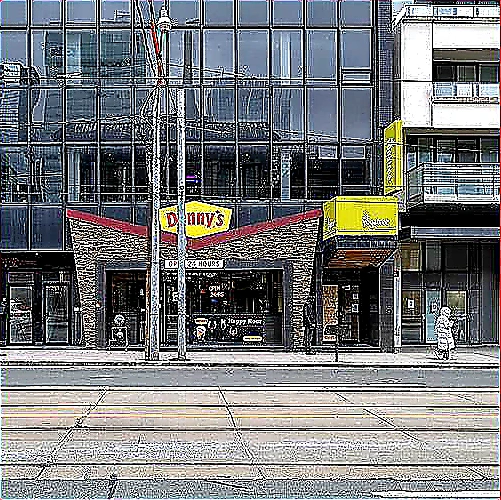
Map Trade Areas and Competitive Pressure
Trade area mapping is the core of restaurant location strategy. Start with a primary trade area that captures the majority of expected guests, then a secondary ring for occasional visits. Drive-time is often more useful than a simple radius, especially near highways, rivers, or one-way grids that distort distance.
Build a competitor set that includes true substitutes, not every restaurant nearby. A pizza concept should track pizza and adjacent value Italian options, not every fine-dining room in the zip code. Note cuisine overlap, price, dayparts, seating, delivery presence, and visible strengths such as parking, patio, or brand recognition.
Visit sites at peak and off-peak times. Observe ticket lines, empty seats, takeout volume, and staffing levels. Field notes often reveal whether a market is saturated, under-served at a specific daypart, or weak because of access and visibility rather than lack of demand.
Score sites with a consistent checklist
Create a scorecard that weights access, visibility, parking or transit, co-tenancy, rent structure, build-out risk, and competitive intensity. Score every candidate the same way so emotional favorites do not override weaker fundamentals. For multi-unit brands, reuse the scorecard across markets to keep comparisons honest.
Include a short narrative for each site: what would make sales work, what would break the model, and which lease clauses matter most, such as exclusivity, percentage rent, or opening covenants.
Connect Market Demand to Prime Cost and Culinary Yield
Market research without cost reality creates optimistic openings. Restaurant market analysis should link projected covers and check averages to prime cost, the combined food and labor burden that often determines whether a unit can survive rent and operating overhead. Operators commonly monitor prime cost in ranges that many industry discussions place near the mid-50s to low-60s percent of sales, but your concept, labor market, and menu mix may fall outside that band. Verify with current benchmarks and your own trailing P&Ls.
Culinary yield matters because menu engineering on paper can hide waste on the line. Estimate usable yield for high-cost proteins and produce, portion variance by shift, and the effect of delivery packaging on food cost. A concept that looks profitable at a target food cost percent can miss if yield loss, comps, and overtime quietly erode margins.
Build three scenarios: base, conservative, and downside. In the downside case, stress-test lower guest counts, a softer average check, and higher wage pressure. If the deal only works in the optimistic case, renegotiate rent, reduce square footage, simplify the menu, or walk away.
Use a simple unit economics bridge
Convert market potential into weekly covers, multiply by average check, then subtract food, labor, occupancy, and controllable operating expenses. The remaining contribution should leave room for marketing, maintenance, and brand overhead. If contribution is thin before corporate costs, the market or the prototype needs work.
For second and third units, compare actual first-unit results against the original forecast. The gap between projected and realized performance is often more instructive than any third-party report.
Treat failure risk as a planning input
Restaurant failure rates are widely discussed and frequently misunderstood because definitions and time windows vary. Rather than relying on a single headline percentage, plan as if early-year volatility is common: cash reserves for slower seasons, contingency for pre-opening delays, and a 90-day action plan if sales trail forecast. That mindset turns market analysis into risk management, not just site cheerleading.
Build a Research Workflow Operators Can Repeat
A durable restaurant market analysis process mixes public data, field work, and internal operating knowledge. Start with census and local economic indicators for population, households, income bands, and employment centers. Add mobility or visitation data when available, then validate with on-site observation and conversations with neighboring operators when appropriate.
Layer concept development onto the research. If the trade area shows strong lunch demand from offices but weak evening residential traffic, the menu, staffing model, and marketing should favor midday throughput. If residential density is high and office traffic is thin, dinner and weekend dayparts deserve more kitchen capacity and labor investment.
Document assumptions in a living brief. Include guest persona, price architecture, competitive white space, sales forecast method, prime cost targets, and open questions. When new information arrives, update the brief instead of restarting from scratch. Analysts supporting multi-unit growth should keep a shared template so every market file is comparable.
Finally, decide what you will measure after opening. Pre-opening analysis is incomplete without a post-opening review of guest mix, daypart mix, ticket averages, labor hours per cover, and food cost variance. Those metrics close the loop and improve the next market entry.
Analytics that matter after you open
Focus on a short dashboard: covers by daypart, average check, food cost percent, labor cost percent, contribution after occupancy, and delivery mix. Review weekly for the first quarter, then monthly. Use exceptions, not vanity growth charts, to trigger menu, staffing, or marketing changes.
From Analysis to Concept and Site Decisions
The end product of restaurant market analysis should be a clear recommendation: proceed, proceed with conditions, or pass. Conditions might include a lower rent ask, reduced seating with stronger takeout capacity, a narrower menu for labor control, or a phased opening that proves lunch before adding late-night hours.
For founders, resist the urge to force a beloved concept into a mismatched trade area. Concept development and site selection work best when they move together. Sometimes the right move is adjusting the prototype. Sometimes the right move is waiting for a better corridor.
Operators and site-selection analysts should present findings in language ownership can act on: expected weekly sales range, key risks, capital needed, and the first 30-day operating priorities. Clarity beats complexity. A concise memo with transparent assumptions will outperform a long report that never states a recommendation.
A practical next-step checklist
Confirm concept fit, map primary and secondary trade areas, score competition, build base and downside P&Ls, pressure-test prime cost and yield, negotiate lease terms that match the risk, and schedule a post-opening review. Complete those steps before you celebrate a signing.
Frequently Asked Questions
What is restaurant market analysis?
Restaurant market analysis is a structured review of local demand, competition, site qualities, and unit economics for a specific concept. It connects guest potential to sales forecasts and operating costs so owners can decide whether a market or address can support a profitable restaurant.
How large should a restaurant trade area be?
Trade area size depends on concept, density, and access. Many neighborhood restaurants draw heavily from a short drive-time or walkable radius, while destination concepts may pull from farther away. Define primary and secondary zones with drive-time logic, then validate with real guest behavior after opening.
Which numbers matter most in a go or no-go decision?
Prioritize projected covers, average check, rent and occupancy burden, and prime cost expectations for food and labor. If contribution after those costs is thin in a conservative scenario, the deal is fragile even if demographics look attractive.
Do I need expensive data tools to run restaurant market analysis?
Helpful tools can speed mapping and competitive scans, but they are not a substitute for concept clarity and field observation. Many operators start with public demographic sources, competitor visits, and a simple P&L model, then add paid data when comparing multiple markets or scaling.
How often should multi-unit brands refresh market analysis?
Refresh when entering a new trade area, before major remodels or concept changes, and when sales trends diverge from forecast. Annual reviews of core markets help catch shifts in competition, wages, and daytime population before they erode margins.

Conclusion
Restaurant market analysis works when it is practical, skeptical, and tied to operations. Define the concept, map the trade area, measure competitive pressure, and force every sales assumption through prime cost and culinary yield reality before you commit capital.
Use this framework from Restaurant Site Finder Guides as your repeatable checklist for the next site or market entry. Verify local data, document assumptions, and walk away from deals that only work on the optimistic case. Better analysis today protects guest experience and unit economics tomorrow.
Want a deeper dive on this topic? Read more about restaurant market analysis.


Comments
Post a Comment