Prime Costs Restaurant Guide for Operators
Prime Costs Restaurant Operators Must Manage
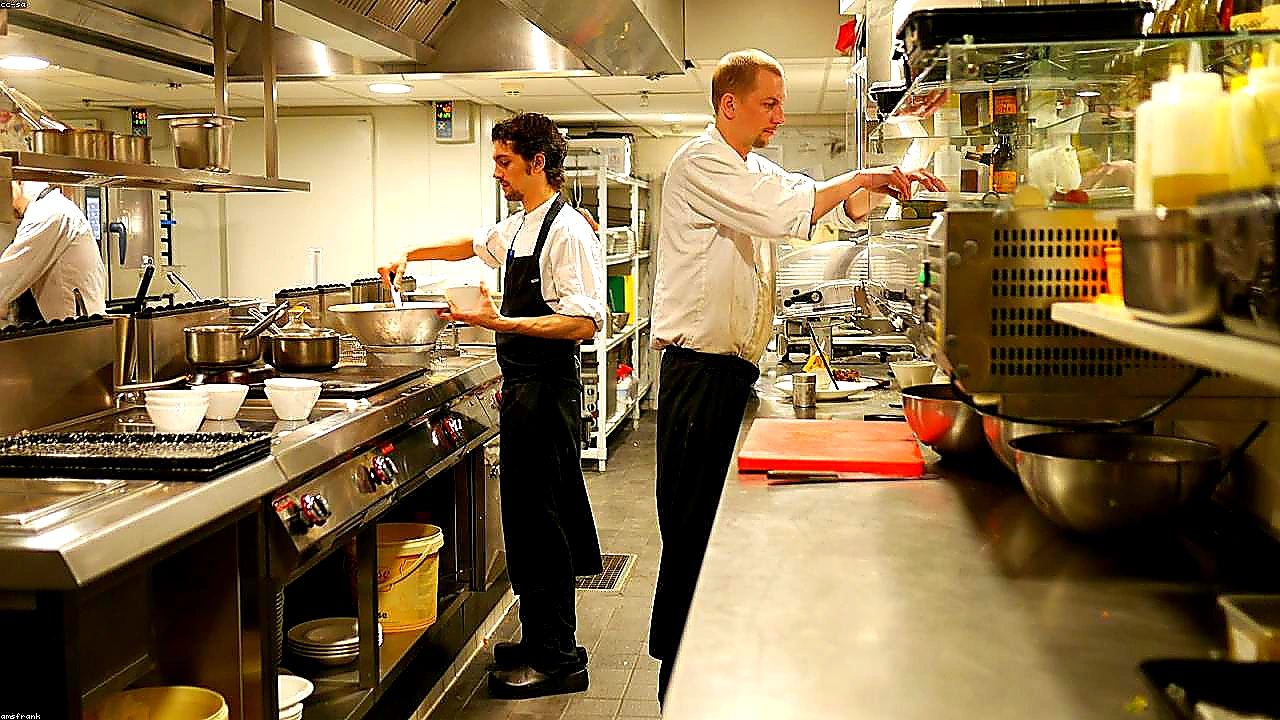
Prime costs restaurant teams watch every week tell you whether a concept can survive rent, marketing, and the unexpected. Food cost plus labor cost is the largest controllable expense block in most full-service and fast-casual models, so owners who treat it as a monthly afterthought usually discover problems too late. For more background, see Learn more about prime costs restaurant.
For multi-unit brands and site-selection analysts, prime cost is not only a kitchen KPI. It shapes which trade areas you can afford, how aggressive your menu pricing can be, and whether a high-traffic corridor still leaves enough contribution after payroll and product.
This guide explains how to define, calculate, and manage prime cost with practical steps restaurant founders and operators can use during concept development, market research, and ongoing operations. When you see commonly cited industry ranges below, treat them as starting points and verify against your segment, region, and current labor market data.
What Prime Cost Means in a Restaurant
Prime cost is the sum of cost of goods sold (primarily food and beverage) and total labor cost for a given period. Labor usually includes wages, salaries, payroll taxes, and often benefits; some operators also fold in contract labor when it regularly replaces staffed roles. Keeping the definition consistent across locations is essential if you compare stores or evaluate a new site against a prototype.
Operators care about prime cost because it sits closest to the guest experience. Menu engineering, portion control, scheduling, and training all show up here before they show up in occupancy or G&A. A location can look busy and still fail if prime cost drifts high enough that contribution cannot cover rent and debt service.
Site-selection analysts should request historical prime-cost trends, not just sales forecasts. Two sites with similar projected covers can produce very different cash outcomes if one requires more overtime, higher waste, or more skilled labor to execute the same concept.
Prime cost versus other restaurant KPIs
Gross margin after food cost alone can look healthy while labor overruns erase the gain. Likewise, strong same-store sales growth is misleading if it required heavy staffing premiums or discounting that raised food cost. Track prime cost as a percentage of net sales alongside average check, covers, and contribution after occupancy so decisions stay balanced.
For culinary yield work, connect kitchen waste and prep loss to the food-cost half of prime cost. Yield improvements that never change purchasing specs or portion standards rarely stick; document the recipe, the expected yield, and the variance review cadence.

How to Calculate and Benchmark Restaurant Prime Cost
Start with a clean period-weekly is best for operations, monthly for ownership reporting. Calculate food and beverage cost of goods sold for that period, add total labor cost for the same window, then divide by net sales. Express the result as a percentage. Align your sales definition (net of comps, voids, and tax treatment) so period-to-period comparisons remain fair.
Commonly cited industry ranges often place combined prime cost somewhere in the mid-50s to low-60s percent of sales for many full-service concepts, with quick-service and limited-service models sometimes targeting lower labor intensity and different food-cost profiles. These ranges vary widely by cuisine, service model, geography, and wage environment. Use them only as conversation starters, then build targets from your own P&Ls and peer data you can verify.
When opening a new unit, model prime cost under three scenarios: ramp-up with training overtime, stabilized operations, and a stress case with higher waste or slower ticket times. Location strategy depends on whether the site's rent and build-out still work when prime cost sits at the stress level for several months.
A practical weekly control rhythm
Assign one owner for inventory counts, one for schedule adherence, and one for invoice matching. Review theoretical versus actual food cost, overtime hours, and sales per labor hour every week. Escalate when food-cost variance or labor percentage moves outside a pre-agreed band for two consecutive periods.
Tie menu changes and promotions to a prime-cost impact note before launch. A limited-time offer that lifts traffic but collapses culinary yield or requires extra prep labor can win the week and lose the quarter.
Prime Cost, Trade Areas, and Location Strategy
Trade-area research often focuses on demographics, daytime population, and competitive density. Those factors matter, but they must be translated into expected sales volume and labor model complexity. A dense urban trade area may support higher checks yet demand premium wages, longer training cycles, and tighter back-of-house footprints that hurt yield.
Market research should estimate not only demand but also the staffing pattern required to serve peak periods without chronic overtime. If your concept needs a large closing crew or specialized line cooks, map wage rates and candidate supply in the trade area before you fall in love with a corner. Failure rates for restaurants are frequently discussed in broad industry commentary; whatever figure you hear, treat local unit economics-including prime cost under realistic labor assumptions-as the more actionable filter.
Analytics teams can help by joining POS sales curves with labor schedules and delivery mix. Delivery can inflate packaging and labor touchpoints while changing food-cost structure. Model channel mix by site so prime-cost forecasts reflect how guests actually order in that trade area.
Concept development checkpoints before signing a lease
During concept development, lock a prototype menu with portion specs, prep lists, and a target ticket time. Run a soft-cost model that includes training hours for the first 90 days. If the lease only works when prime cost is unrealistically low, renegotiate occupancy terms or redesign the labor model before you commit.
Site-selection analysts should score candidates on wage competitiveness, commuting access for staff, and kitchen layout feasibility-not only on rooftops and traffic counts. A beautiful storefront with a compromised prep flow often shows up as higher waste and more labor minutes per cover.
Operating Levers That Lower Prime Cost Without Harming Guests
Sustainable prime-cost improvement rarely comes from one dramatic cut. It comes from tighter purchasing, better forecasting, clearer station standards, and schedules matched to demand. Start with the largest controllable leaks: overportioning, unused prep, no-shows that force overtime, and menus with too many low-velocity SKUs that age out in the walk-in.
Culinary yield projects should prioritize high-volume proteins and produce first. Document trim percentages, cooking loss, and plated weight. Train to the plate photo and the scale where appropriate. On the labor side, cross-train for shoulder periods, protect opening and closing checklists, and use sales forecasts that incorporate weather, local events, and historical dayparts rather than last week alone.
Technology helps when it reduces friction: inventory tools that match invoices, scheduling tools that respect labor rules, and POS reports that highlight mix shifts after a menu change. Avoid dashboard overload. Pick a short list of prime-cost alerts and act on them in the same week they appear.
Guardrails so cost control does not damage the brand
Cutting portions or staffing below the promise of the brand can raise short-term margin and accelerate guest loss. Set non-negotiables-core dish specs, hospitality standards, and safety coverage-then hunt waste and idle time inside those boundaries. Guest experience and prime cost improve together when the kitchen is organized and the floor is staffed to real demand.
What multi-unit brands should standardize
Standardize recipes, count sheets, labor productivity definitions, and the weekly review agenda across units. Allow local wage and supplier differences in the model, but do not allow every store to invent its own prime-cost math. Shared definitions make coaching fair and make site approvals more honest.
Frequently Asked Questions
What is included in prime costs for a restaurant?
Prime cost typically combines food and beverage cost of goods sold with total labor cost for the same period. Many operators include payroll taxes and benefits in labor; clarify whether contract labor and manager salaries are in or out so every location uses the same rule. Consistency matters more than matching another brand's exact definition.
What is a good prime cost percentage for restaurants?
Commonly cited ranges often fall around the mid-50s to low-60s percent of sales for many full-service concepts, while other service models may aim lower or higher depending on food intensity and wages. Treat published ranges as directional only. Build targets from your concept's recipe costs, local labor market, and verified peer or franchisor data.
How often should restaurant owners review prime cost?
Weekly reviews catch inventory variance and overtime before they compound; monthly reviews support ownership reporting and lease-level decisions. Pair the percentage with a short list of drivers such as waste, mix, overtime hours, and sales per labor hour so the team knows what to fix.
How does prime cost affect restaurant site selection?
A site's rent only works if contribution after prime cost can cover occupancy and still meet return goals. Trade areas with higher wages, harder recruiting, or layouts that slow prep can push prime cost up even when sales forecasts look strong. Model ramp-up labor and realistic channel mix before you sign.
Can menu engineering reduce restaurant prime cost?
Yes. Promoting dishes with healthier contribution, retiring low-velocity items that create waste, and tightening portions and yields all affect the food-cost side of prime cost. Test changes with a clear before-and-after window and watch labor minutes too, because more complex prep can offset food-cost gains.

Conclusion
Prime costs restaurant operators control determine whether strong locations become durable businesses or just busy rooms. Define the metric clearly, review it weekly, and connect it to menu, labor, and site decisions instead of treating it as a back-office curiosity.
If you are evaluating a new trade area or refining a concept, rebuild your prime-cost model with current wage and supplier inputs, pressure-test a ramp-up scenario, and only then judge the lease. For more practical guidance on location strategy and unit economics, keep following Restaurant Site Finder Guides and verify every benchmark against your own books.
Want a deeper dive on this topic? Read more about prime costs restaurant.


Comments
Post a Comment