Food Concept Developers: Build Sites That Last
Food Concept Developers: Align Menu, Market, and Site
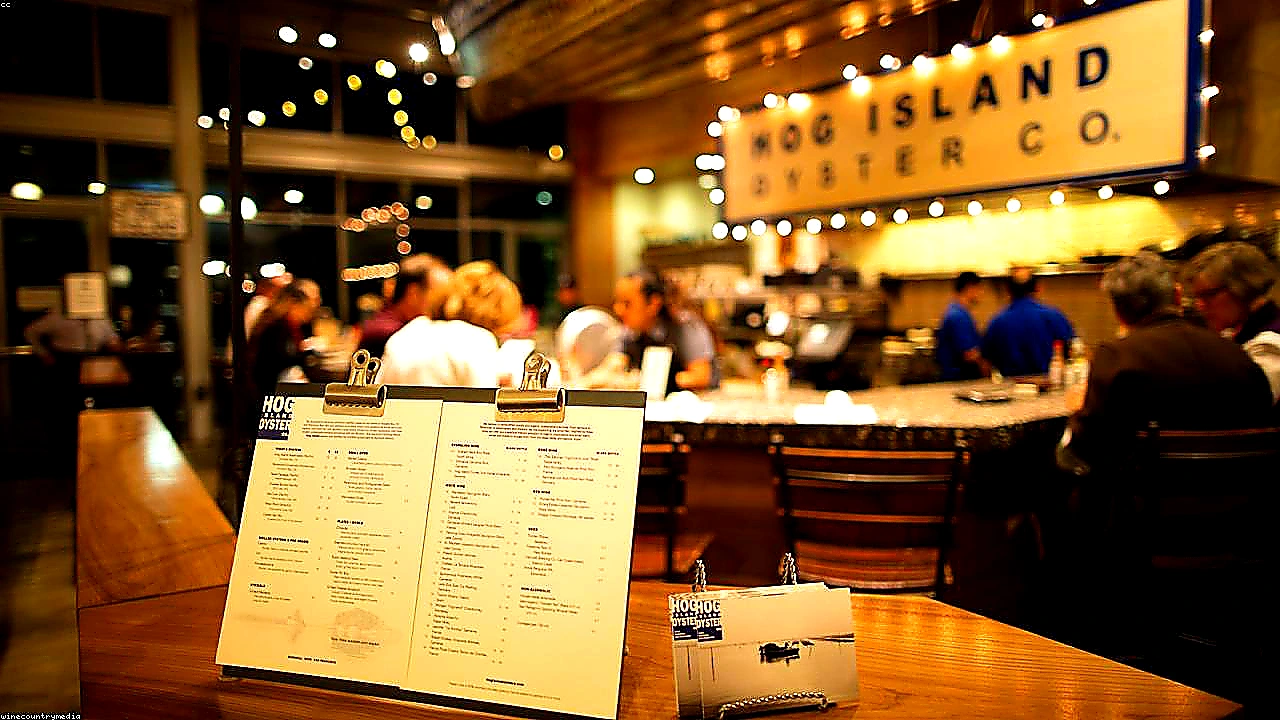
Food concept developers sit at the intersection of culinary identity, unit economics, and real estate strategy. For restaurant owners, founders, operators, and site-selection analysts, they translate a menu idea into a location-ready model-guest profile, dayparts, ticket size, labor shape, and the kind of trade area that can actually support it. For more background, see Learn more about food concept developers.
Too many openings fail because the concept and the site were designed in separate rooms. A polished brand story does not fix a trade area that cannot deliver lunch volume, and a prime corner does not fix a menu that cannot hit target prime cost. Practical concept development closes that gap before you sign a lease.
This guide from Restaurant Site Finder Guides walks through how food concept developers work, what to demand from the process, and how to pair culinary decisions with market research, analytics, and site selection so expansion feels measured instead of hopeful.
What Food Concept Developers Actually Deliver
Food concept developers do more than name a cuisine or sketch a logo. Their job is to define a repeatable guest promise and the operating system behind it: menu architecture, portion and yield assumptions, kitchen flow, staffing model, average check ranges, and the physical footprint those choices require. When done well, the output is a concept brief operators can underwrite-not a mood board that collapses under first-week labor reality.
For multi-unit brands, the developer also pressure-tests transferability. Can the concept travel across neighborhoods with different incomes, commute patterns, and competitive density? Which menu items are core versus optional? Which equipment packages and kitchen layouts stay fixed so training and food cost stay controllable? Those answers become the bridge between brand ambition and site criteria.
Operators should expect clear documentation: target guest personas, daypart mix, price architecture, rough sales per square foot scenarios, and a short list of location "musts" and "deal-breakers." Treat those as working hypotheses you will validate with local data, not as guarantees.
Culinary identity versus operating model
Culinary identity answers why a guest chooses you. The operating model answers whether you can deliver that promise at a sustainable cost. Strong food concept developers force both conversations early-signature dishes, prep complexity, culinary yield, waste, and ticket times-so creative choices do not quietly destroy margins after opening.
Outputs you can take to landlords and lenders
Ask for a one-page concept thesis, a sample menu with rough food-cost bands, a staffing sketch by daypart, and preliminary space needs. Those materials help site analysts screen trade areas faster and help owners compare alternative sites against the same performance logic.

Tie Concept Work to Trade Areas and Location Strategy
Restaurant location strategy starts with demand geometry, not curb appeal. Food concept developers should help define who the concept serves, when they visit, how far they will travel, and what competing options already own that occasion. A fast-casual lunch concept built around office workers needs different traffic patterns than a destination dinner concept built around weekend visits and larger parties.
Trade area work typically combines demographic filters, daytime population, household composition, income bands, and competitive mapping. Commonly cited industry discussions often note that a large share of restaurant failures connect to weak location fit, undercapitalization, or poor unit economics-exact rates vary by segment and year, so verify current research for your category rather than treating any single percentage as universal truth. The practical takeaway is consistent: concept and catchment must match.
Site-selection analysts should translate the concept brief into measurable screens: drive-time rings that fit the guest mission, visibility and access standards, co-tenancy that supports the occasion, parking or transit reality, and cannibalization risk for existing units. Food concept developers who ignore these constraints produce beautiful ideas that never clear real estate underwriting.
Match dayparts to the site's natural rhythm
If breakfast and lunch drive your model, prioritize corridors with reliable morning and midday demand. If dinner and late evening drive check averages, evaluate evening traffic, safety perception, and nearby entertainment or residential density. Misaligned dayparts are one of the fastest ways a strong kitchen story underperforms.
Use analytics without outsourcing judgment
Mobility data, sales forecasting tools, and competitive heat maps sharpen the conversation, but they do not replace operator judgment. Use analytics to rank options and stress-test assumptions, then validate with field visits, local operator interviews, and soft sales scenarios you can defend.
Prime Cost, Culinary Yield, and Concept Economics
Prime cost-typically food and beverage cost plus labor-is the financial heartbeat of most restaurant models. Food concept developers influence both sides: recipe design and culinary yield shape food cost; prep methods, ticket complexity, and service model shape labor hours. A concept that looks premium on Instagram can still fail if every dish requires high-skill prep during peak without enough check average to pay for it.
Build recipes with yield and waste in mind. Track usable yield on proteins and produce, portion tolerances, and which items create bottlenecks on the line. Many operators aim for prime-cost bands that commonly fall in rough industry ranges often discussed around the mid-50s to low-60s percent of sales for full-service formats, with different targets for quick service and fast casual-confirm current benchmarks for your segment, market wage pressure, and concept type before locking plans.
Price architecture should protect margin and guest clarity. Anchor signatures that communicate value, support them with sides and beverages that improve contribution, and avoid menu sprawl that increases inventory risk and training time. Concept developers who cannot explain how the menu hits target contribution by category are not finished, even if the food tastes great in a tasting kitchen.
Design for the kitchen you can staff
Labor markets vary by city and year. A concept that depends on scarce specialized skills in every unit will struggle to scale. Prefer processes that preserve quality with trainable steps, clear station maps, and equipment that reduces variance without hiding poor recipe design.
Scenario-plan before you lease
Model optimistic, base, and downside covers by daypart. Connect those covers to labor schedules and food cost. If only the optimistic case clears rent and prime-cost targets, either rework the concept or walk away from the site.
A Practical Concept-to-Site Workflow Operators Can Run
Start with a written guest occasion: who, when, why, and what success looks like on a Tuesday and a Saturday. Next, draft menu families and rough contribution targets, then map the kitchen flow and staffing needed to execute them. Only after those pieces exist should you write site criteria-size, parking, visibility, rent tolerance as a share of projected sales, and trade-area filters.
Run market research in layers. First, macro screens for markets that fit brand economics. Second, trade-area shortlists using demographics, competition, and mobility patterns. Third, in-person validation: entrance sightlines, left turns, delivery access, neighboring tenants, and whether the physical space can hold your line and seating without crushing guest experience. Food concept developers and site analysts should share one checklist so culinary decisions and real estate decisions stay synchronized.
Before committing capital, complete a go/no-go review: concept thesis, sales scenarios, prime-cost plan, build-out budget ranges, working capital runway, and contingency for slower ramp-up. Commonly cited operator guidance often emphasizes keeping cash reserves for several months of operating expenses after opening; actual needs vary widely, so build your own runway model with local rent, wages, and ramp assumptions. The goal is not perfect prediction-it is avoiding surprises you could have modeled.
Questions every founder should ask the developer
What guest occasion do we own? Which three menu items carry the brand? What is our target average check and daypart mix? What labor hours per thousand dollars of sales are we designing for? Which site attributes are non-negotiable? If answers are vague, the concept is not ready for a lease.
Working With Food Concept Developers Across Growth Stages
Independent founders often need a developer who can simplify: fewer SKUs, clearer positioning, and a footprint that matches first-unit capital. Multi-unit operators need standardization-specs, training kits, supplier logic, and site scorecards that protect brand consistency while allowing limited local adaptation. Site-selection analysts need both groups to speak in measurable criteria, not adjectives.
As you grow, revisit the concept after every few openings. Guest behavior, wage rates, delivery mix, and competitive intensity shift. A dish that worked in the prototype kitchen may drag culinary yield once volume scales. Treat concept development as a living operating system: update the brief, retest economics, and refresh location filters instead of copying the first successful address forever.
Restaurant Site Finder Guides encourages operators to keep culinary creativity and location discipline in the same conversation. Food concept developers create the most value when they help you say no early-to menus that cannot hit cost, to sites that cannot feed the occasion, and to expansion plans that outrun the model.
Red flags in concept pitches
Beware concepts that lead with décor, ignore labor design, or claim any trade area will work if the brand is strong enough. Also watch for menus with dozens of complex items and no contribution hierarchy. Those patterns usually signal style over underwriting.
Frequently Asked Questions
What do food concept developers do for restaurant operators?
They turn a culinary idea into an operable business model: menu structure, guest occasion, kitchen flow, staffing shape, cost targets, and location criteria. The best partners give you materials you can use for site screening, budgeting, and training-not only branding language.
When should I hire food concept developers in the site search process?
Engage them before you fall in love with a specific address. Concept assumptions should define trade-area filters, footprint needs, and rent tolerance. Searching first and designing second often produces expensive compromises that neither the kitchen nor the P&L can absorb.
How do food concept developers affect prime cost?
Recipe design, culinary yield, portioning, prep methods, and service complexity all influence food and labor cost. A thoughtful developer designs the menu and workflow together so target prime-cost bands are realistic for your segment and market conditions.
Can a strong concept overcome a weak trade area?
Rarely for long. Destination concepts can draw farther, but most restaurants still need enough nearby demand for their primary dayparts. Treat location fit as part of concept development, and verify assumptions with current market data and field checks.
What should multi-unit brands demand from concept development?
Standardized specs, clear core-versus-local menu rules, training-ready processes, and site scorecards tied to the concept's economics. Scalability is a design choice, not a hope that every new neighborhood will behave like the original.

Conclusion
Food concept developers create lasting value when they connect cuisine, costs, and catchment into one underwritable plan. Owners and analysts who insist on that integration choose better sites, protect prime cost, and avoid expansion theater that looks exciting in a deck and fails on a Tuesday lunch.
Use this framework on your next prototype or next unit: lock the guest occasion, design for yield and labor, screen trade areas against the model, and verify every number with current local data. Restaurant Site Finder Guides is here to help you keep concept ambition and location reality on the same page.
Want a deeper dive on this topic? Read more about food concept developers.


Comments
Post a Comment